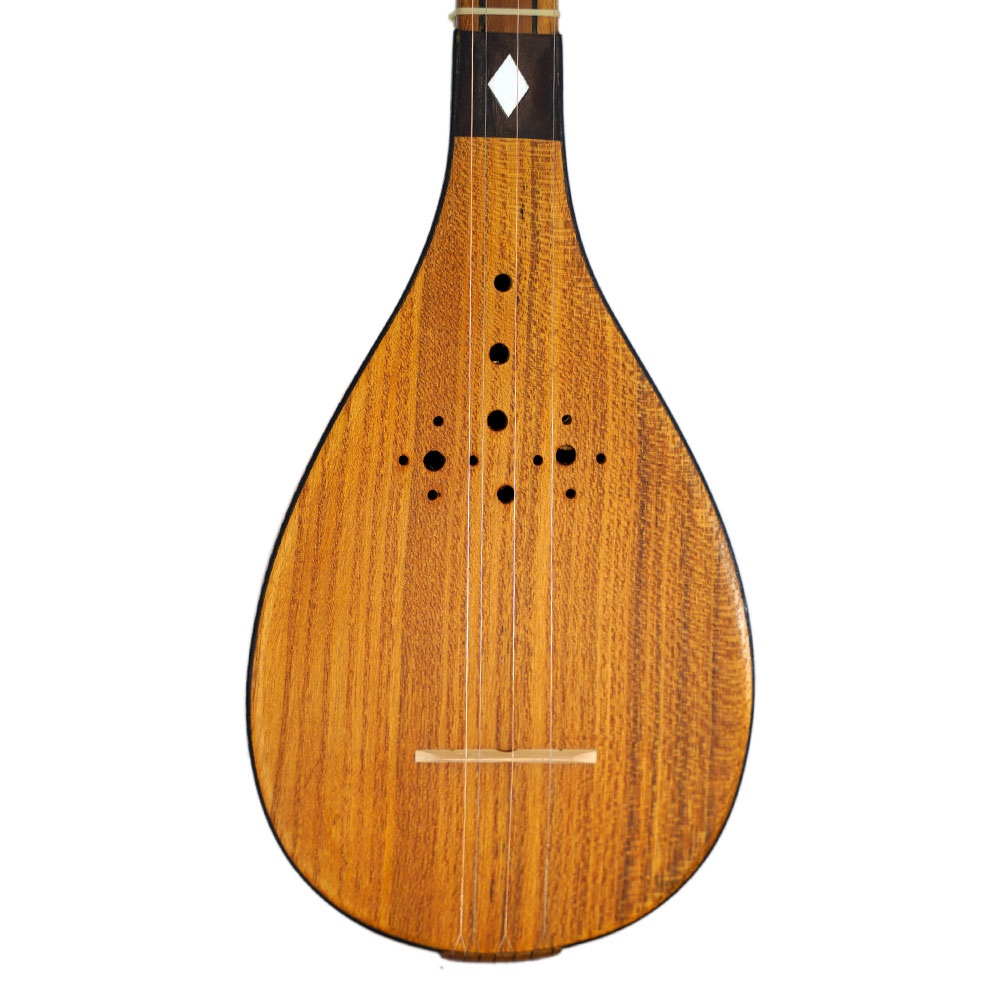
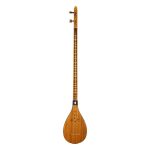
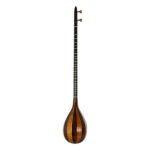
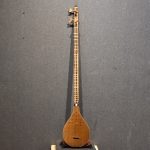
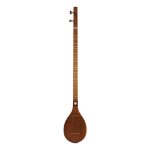
Bakhtiari Setar
Bakhtiari Setar: The Heritage Sound of the Iranian Bakhtiari Tribe
Introduction
The Bakhtiari Setar, a regional variation of the traditional Persian setar, is an expressive and emotionally rich instrument deeply rooted in the culture of the Bakhtiari tribe of southwestern Iran. Known for its warm tone and spiritual character, the Bakhtiari setar reflects centuries of history, storytelling, and nomadic life. Today, musicians, ethnomusicologists, and culture enthusiasts increasingly recognize this instrument as a unique voice in Iranian folk music.
History and Cultural Significance
The Bakhtiari tribe has preserved its music across generations through oral tradition. Within this musical heritage, the setar plays a central role in:
- Tribal ceremonies and celebrations
- Epic storytelling (naqqāli and dāstān-sarāyi)
- Poetic performances and traditional singing (tasnif and chāmeh-khāni)
Though the classical Persian setar is well-known, the Bakhtiari version has distinct stylistic features that reflect the tribe’s rugged lifestyle, mountainous environment, and strong connection to nature.
Instrument Structure and Sound Qualities
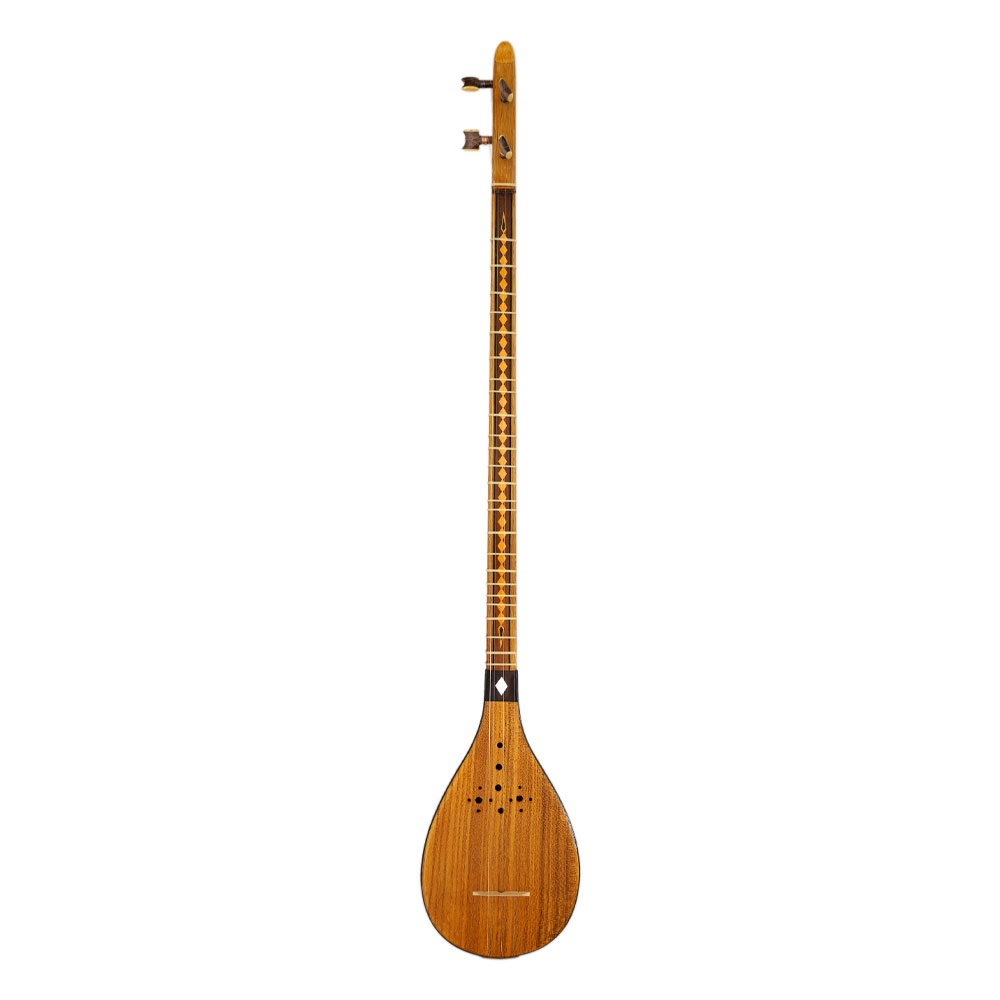
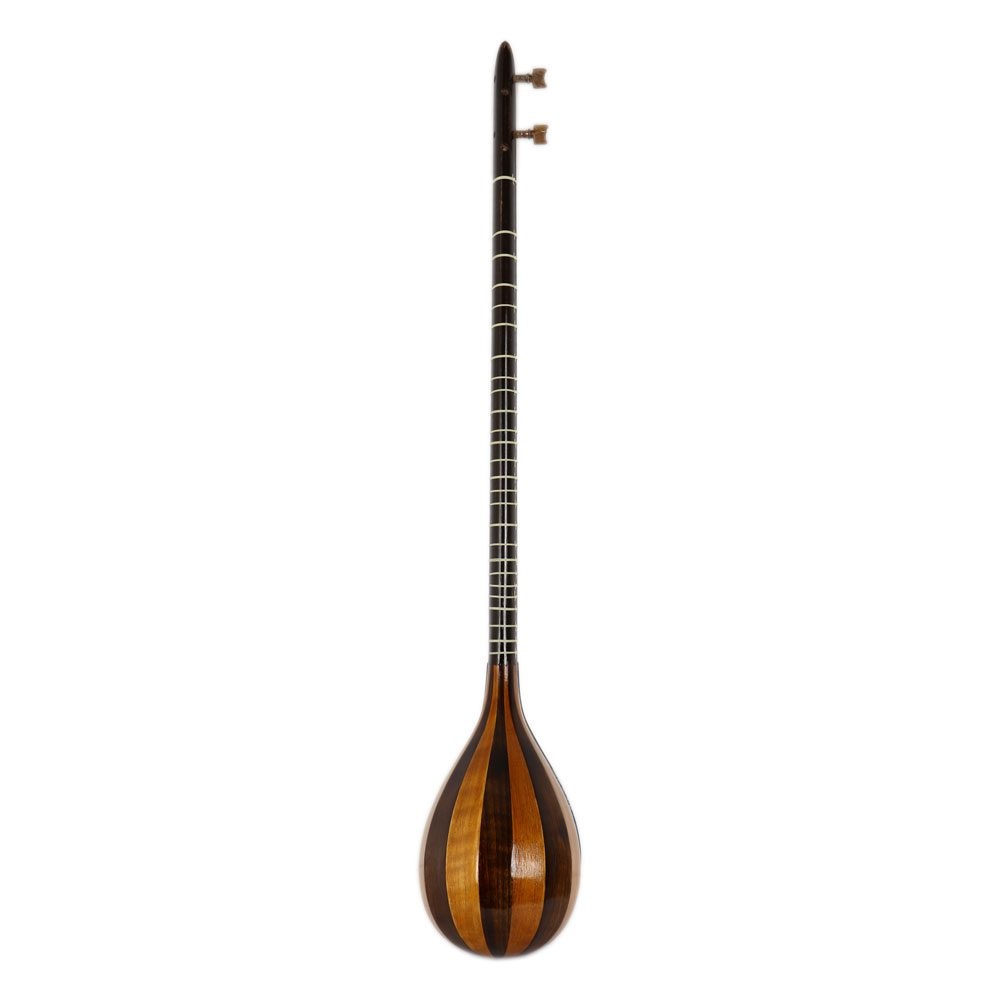
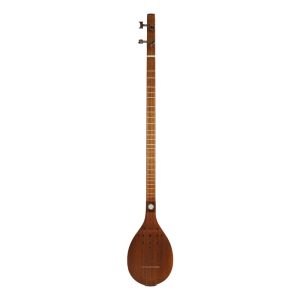
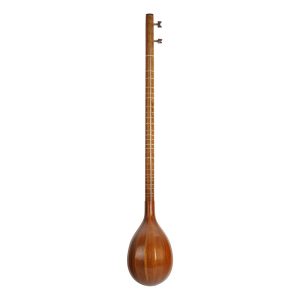
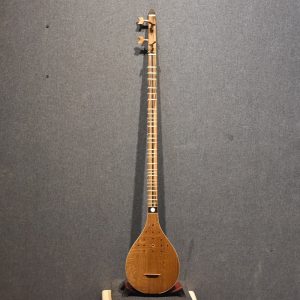
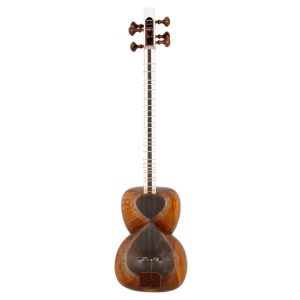
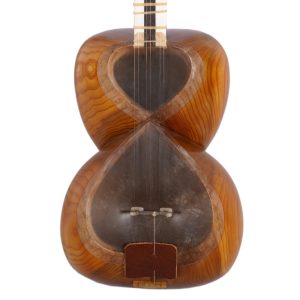
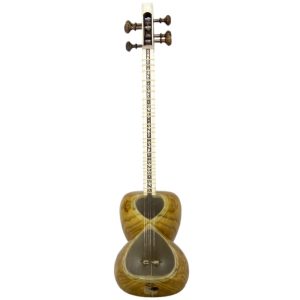
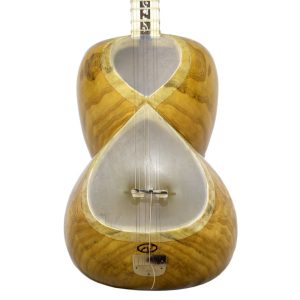
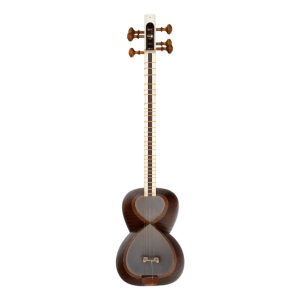
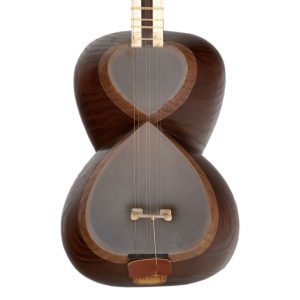
The Bakhtiari setar typically shares the general structure of a Persian setar—four metal strings, a long neck, and a small wooden body—yet it often has unique tonal qualities, including:
- A deeper and more resonant timbre
- Slight variations in body size and wood type
- Stronger rhythmic emphasis in performance styles
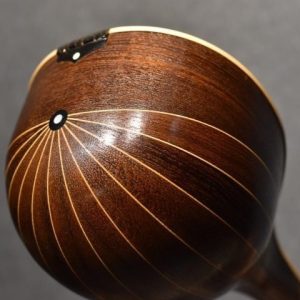
The instrument is traditionally handcrafted by local luthiers who use walnut, mulberry, or other native woods to produce a warm and organic sound.
Playing Techniques in Bakhtiari Music
Bakhtiari musicians use a playing style that emphasizes emotional expression and rhythmic energy. Common techniques include:
- Dynamic plucking patterns to match the rhythm of Bakhtiari dances
- Melodic improvisation inspired by nature and nomadic life
- Modal structures (dastgah and maqam) adapted to tribal melodies
This performance style creates a distinctive sound that differentiates the Bakhtiari setar from other Iranian setar traditions.
Role in Modern Music
In recent years, interest in regional Iranian instruments has grown. Contemporary musicians use the Bakhtiari setar in:
- Fusion and world-music projects
- Documentaries and soundtracks about Iranian culture
- Cultural preservation initiatives and festivals
Its soothing yet powerful tone makes it appealing for modern composers looking to blend tradition with innovation.
Why the Bakhtiari Setar Matters
The Bakhtiari setar is more than just a musical instrument; it is a symbol of:
- Tribal identity
- Cultural continuity
- The resilience of nomadic traditions
Preserving this instrument ensures that the stories, emotions, and heritage of the Bakhtiari people continue to resonate through generations.
Conclusion
The Bakhtiari Setar stands as a powerful representation of Iran’s diverse musical landscape. Its expressive sound, cultural depth, and unique craftsmanship make it an essential element of Bakhtiari identity. Whether played by traditional musicians or modern performers, the Bakhtiari setar continues to inspire listeners around the world.
Reviews
There are no reviews yet.