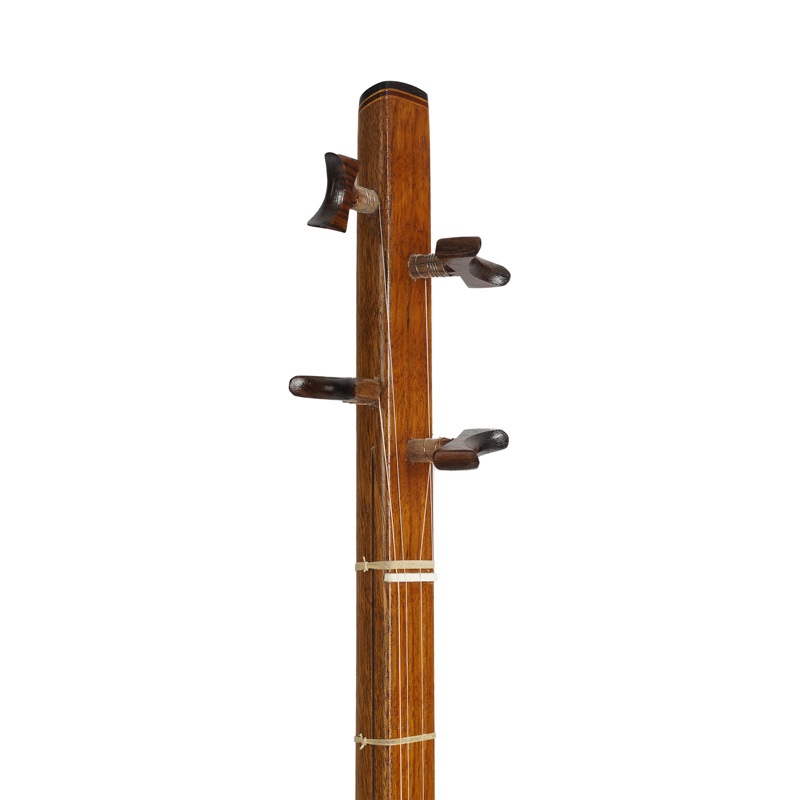
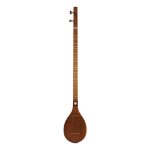
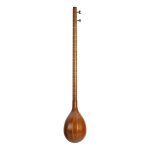
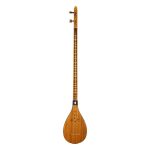
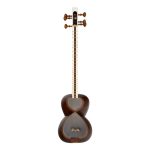
Persian Setar
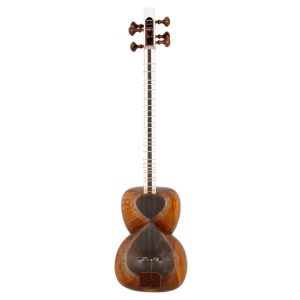
| Specification | Description (English) |
|---|---|
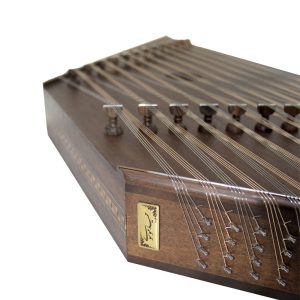
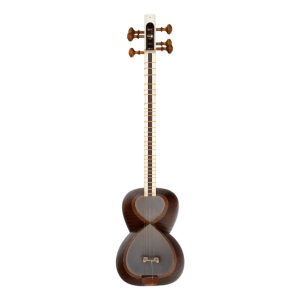
| Brand | Iman Keykhaee |
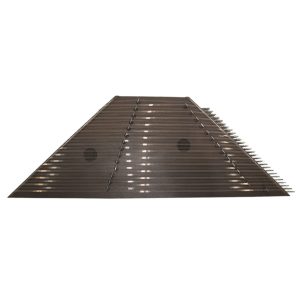
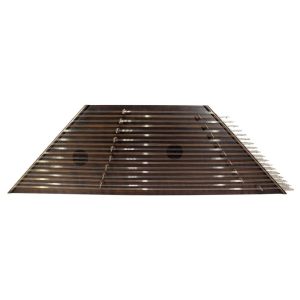
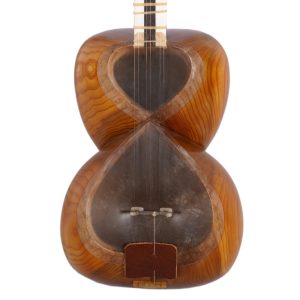
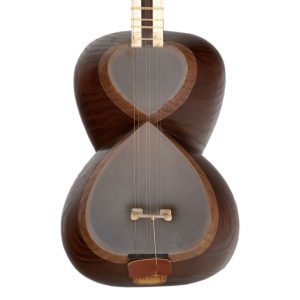
| Soundboard Material | Mulberry Wood (Shah-toot) |
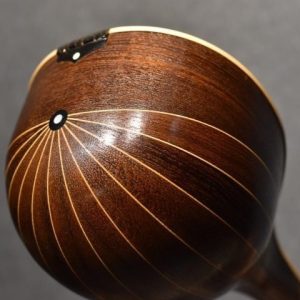
| Bowl Material | Mulberry Wood |
| Neck Material | Walnut Wood |
| Fret Material | Natural Gut |
| Tuning Pegs Material | Walnut Wood |
| Bridge Material | Boxwood |
| Tailpiece Material | Walnut Wood |
| Headstock Style | Traditional |
| Maker’s Seal | Single Stamp |
Below is an SEO-optimized, clear, and well-written English overview of the Persian Setar (Iranian Setar) that you can use for websites, articles, shops, or blogs.
Persian Setar: The Soulful Voice of Traditional Iranian Music
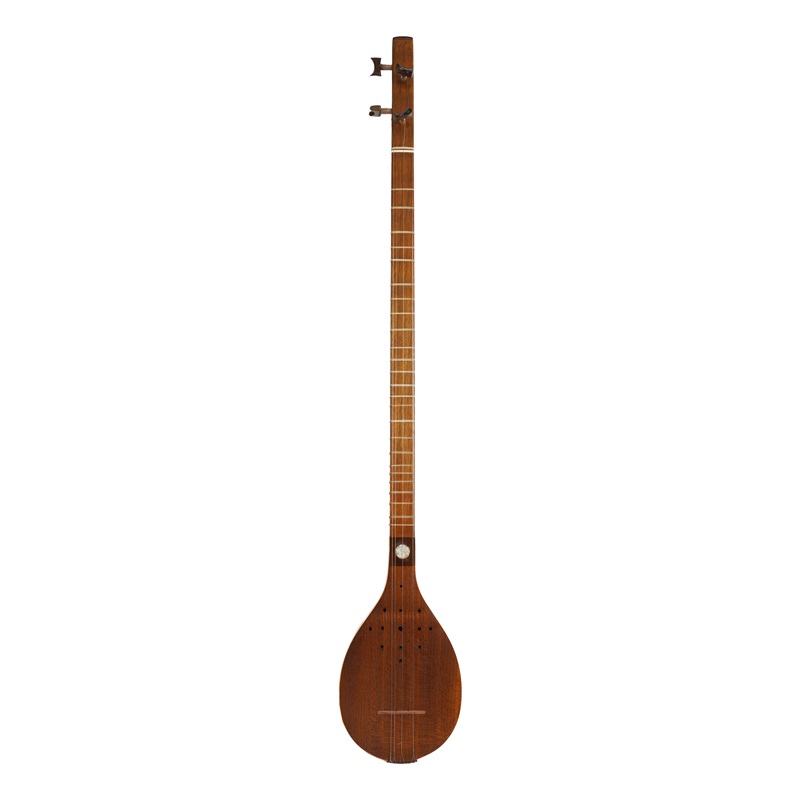
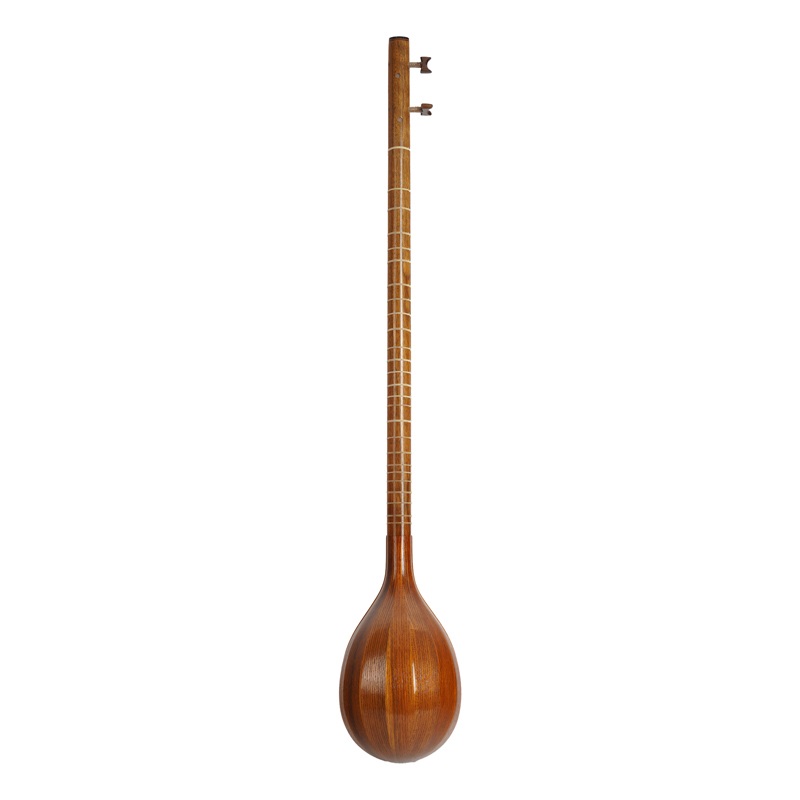
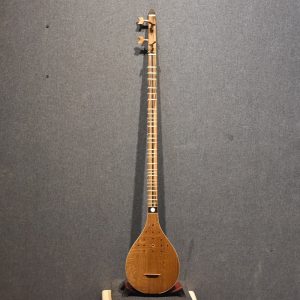
The Persian Setar is one of the most iconic and expressive instruments in traditional Iranian music. Known for its warm, intimate, and spiritual sound, the Setar has been a central part of Persian musical culture for centuries. With its delicate wooden body, long neck, and four metal strings, this instrument is often praised for its ability to convey deep emotion through subtle finger techniques and rich tonal colors.
History and Cultural Importance
Originating from ancient Persia, the Setar is believed to be the ancestor of the modern guitar. Historically played by Sufi mystics, poets, and classical musicians, the instrument became a symbol of inner peace, meditation, and artistic refinement. Its name—“se-tar”, meaning “three strings”—reflects its early design before the fourth string was added in later centuries.
Structure and Materials
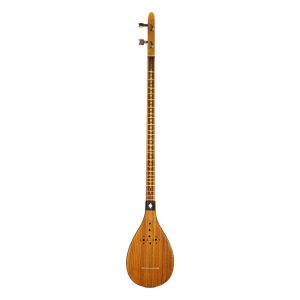
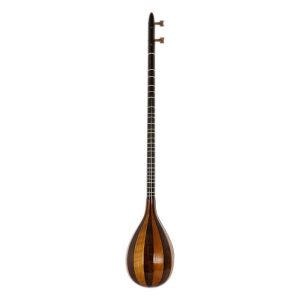
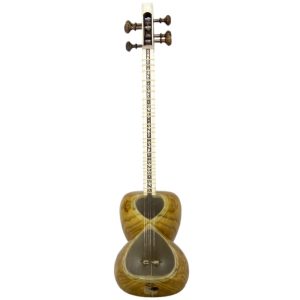
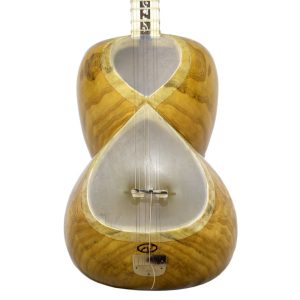
A traditional Persian Setar is handcrafted from natural woods such as mulberry, walnut, and boxwood. It features four metal strings, movable gut frets, and a small pear-shaped bowl that produces a soft yet resonant sound. Its lightweight structure makes it ideal for solo performances, classical pieces, and modern fusion music.
Playing Style and Sound
The Setar is played with the index finger, using a unique plucking technique that allows for expressive dynamics and microtonal variations—the hallmark of Persian classical music. Its sound is described as warm, intimate, and deeply emotional, capable of both delicate whispers and vibrant melodic lines.
Role in Modern Music
Today, the Persian Setar is used across many musical genres:
- Traditional and classical Iranian music
- Sufi and spiritual compositions
- World music and fusion projects
- Film soundtracks and cultural performances
Musicians worldwide appreciate the Setar for its versatility, natural beauty, and ability to blend tradition with contemporary styles.
Why the Persian Setar Matters
The Setar is not just an instrument—it is a living piece of Iranian heritage. Its craftsmanship, historical depth, and expressive sound make it a timeless symbol of Persian artistic identity. Whether played by students or master musicians, the Setar continues to inspire listeners around the world.
Reviews
There are no reviews yet.