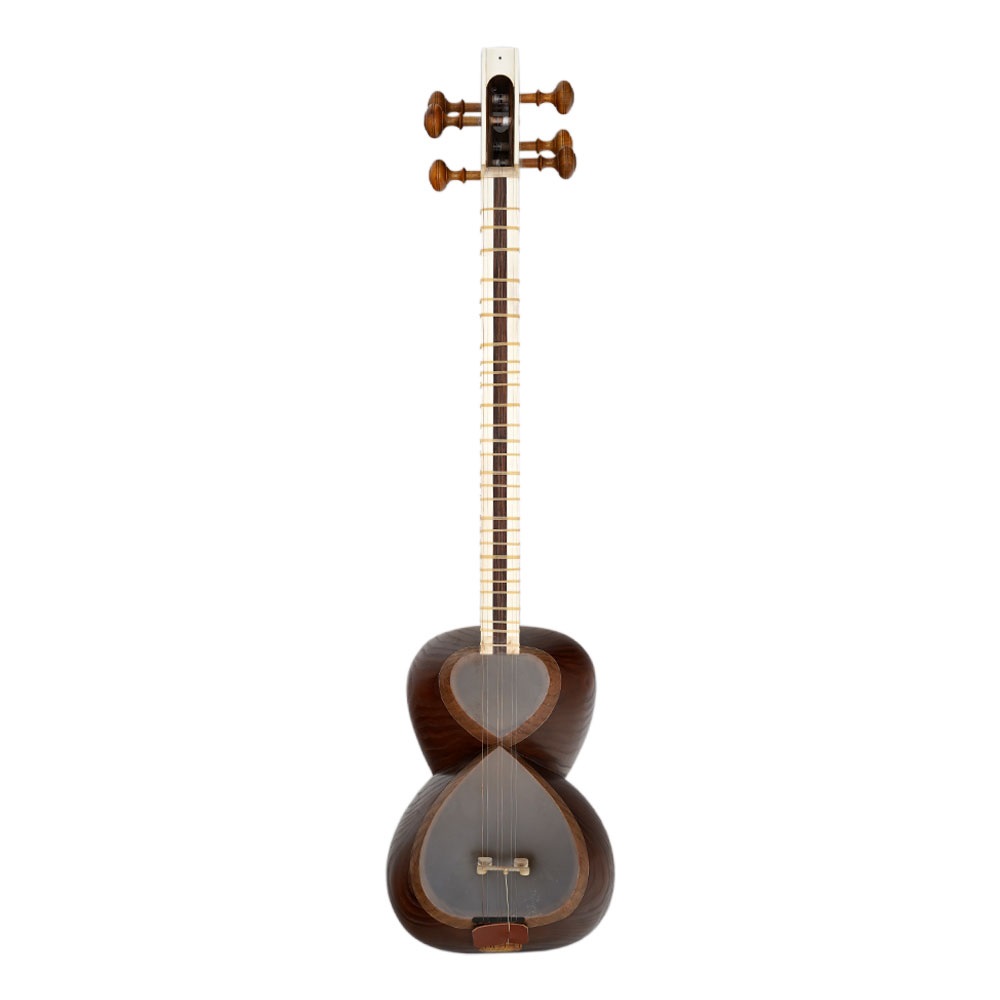
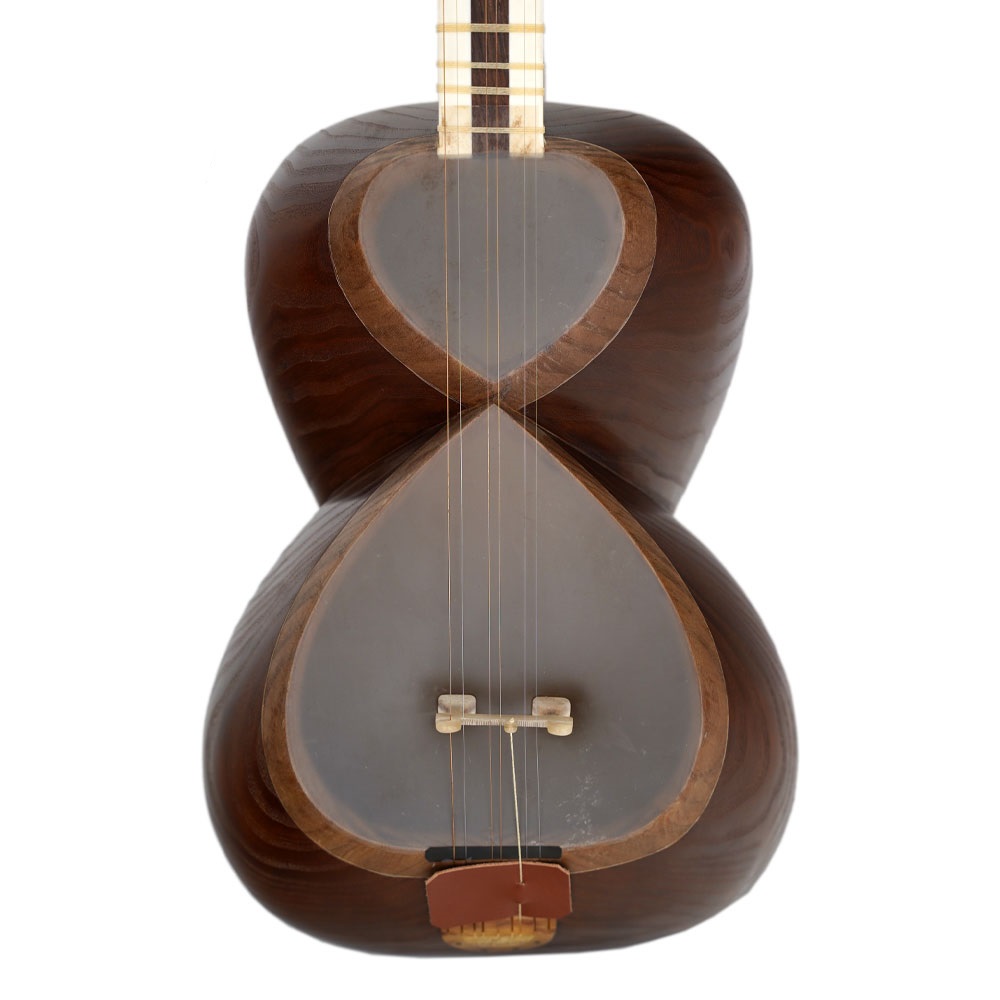
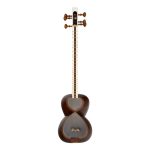
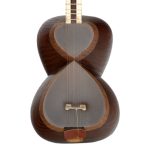
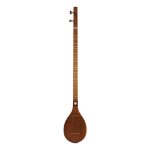
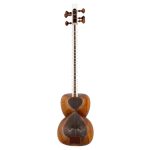
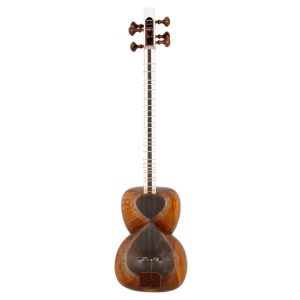
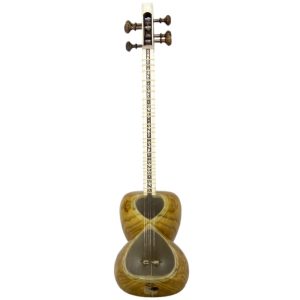
Tar, Special one stamp
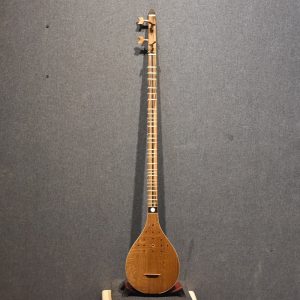
Iranian Tar: The Heartbeat of Persian Music (Special One-Stamp Tar)
Introduction
The Iranian Tar is one of the most important and expressive instruments in traditional Persian music. Known for its bright, resonant tone and wide emotional range, the Tar has shaped the sound of classical Iranian music for centuries. Among the many variations of this instrument, the Special One-Stamp Tar—a tar carrying a single maker’s seal—holds a unique place for musicians seeking authenticity, craftsmanship, and reliable sound quality.
History and Cultural Significance
The Tar has deep roots in Persian culture, dating back several hundred years. It has been played by legendary masters in classical music, including prominent figures in the Qajar and contemporary eras. The name “Tar” literally means “string”, highlighting its central role as a stringed instrument in Iranian music.
Traditionally, the Tar has served as:
- A primary instrument in radif (the classical repertoire of Persian music)
- A companion for vocal performance
- A symbol of artistic refinement and poetic expression
- A cultural bridge between Persian classical, folk, and modern compositions
Its warm yet penetrating tone has made it a favorite among musicians who value emotional depth and technical versatility.
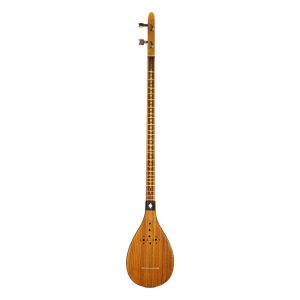
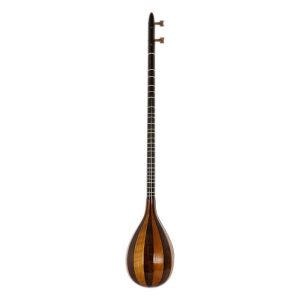
Structure and Materials
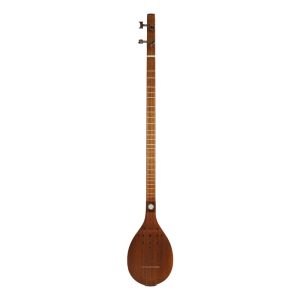
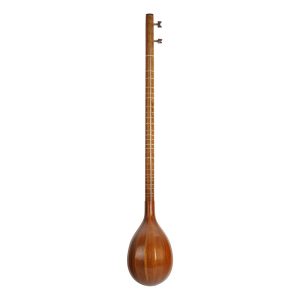
A high-quality Tar—especially a Special One-Stamp Tar—is carefully handcrafted using natural materials that directly influence its sound:
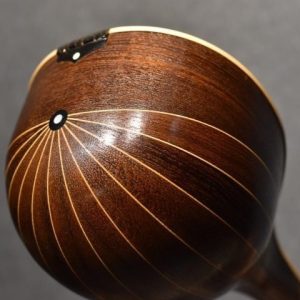
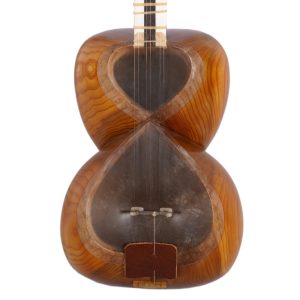
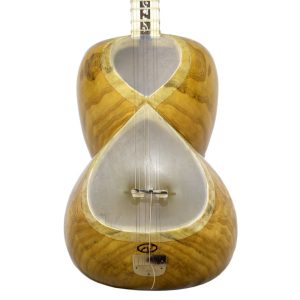
- Body (Bowl): Typically made from mulberry wood, carved into a double-chambered shape that enhances resonance
- Skin (Soundboard): Made from stretched lambskin or goatskin, giving the Tar its signature crisp and bright tone
- Neck: Usually crafted from walnut wood, providing stability and smooth playability
- Frets: Made from natural gut and tied by hand to allow microtonal adjustments
- Tuning Pegs: Hand-carved from walnut or ebony for accurate tuning
- Bridge: Often shaped from hardwood like boxwood to provide clarity and sustain
The precision of materials—and the craftsmanship of the maker—play a critical role in determining the instrument’s quality.
What Is a “Special One-Stamp” Tar?
A Special One-Stamp Tar refers to a handcrafted instrument that carries only one maker’s seal, marking its authenticity. This stamp typically indicates:
- The identity of the luthier
- That the instrument is individually crafted, not mass-produced
- A higher level of care in wood selection, carving, finishing, and tonal balancing
Such instruments are often preferred by intermediate and professional musicians who want a reliable yet artistically expressive Tar.
Sound Characteristics
The Iranian Tar is known for its powerful projection and expressive capabilities. Its sound can be described as:
- Bright and vibrant
- Warm and resonant
- Rich in harmonics
- Highly responsive to dynamics
Players can easily shift between delicate, emotional passages and strong, energetic rhythms, making the Tar one of the most flexible instruments in Persian music.
Playing Technique
The Tar is played with a small brass pick wrapped in felt, known as a mezrab. The technique involves:
- Fast picking patterns
- Smooth glissandos and vibrato
- Ornamental phrases unique to Persian music
- Intricate rhythmic forms found in radif and folk styles
This expressive technique allows players to convey deep emotion and complex musical ideas.
The Role of Tar in Modern Music
While deeply rooted in classical traditions, the Tar is also used in:
- Contemporary Iranian compositions
- Fusion and world-music collaborations
- Film scores and cultural performances
- Academic and conservatory settings
Its adaptability ensures that the Tar remains relevant and influential across generations.
Conclusion
The Iranian Tar, especially a Special One-Stamp Tar, represents the perfect combination of tradition, craftsmanship, and musical expression. With its rich history, handcrafted construction, and powerful emotional range, the Tar continues to be one of the most beloved instruments in Persian music. For musicians seeking authenticity and quality, a Special One-Stamp Tar is not just an instrument—it is a work of art and a piece of cultural heritage.
Reviews
There are no reviews yet.